
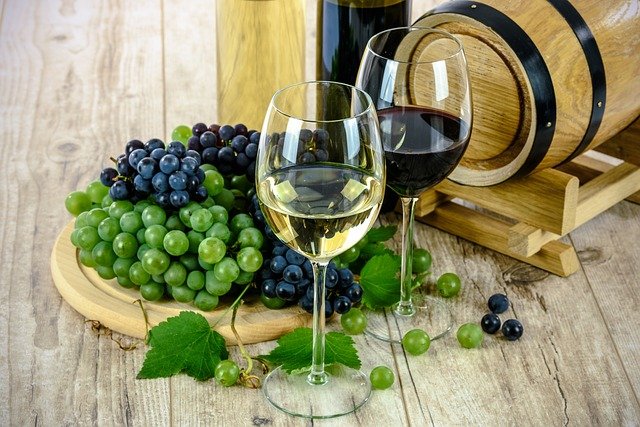
When it comes to alcohol, there are two extremes. One, no believer should be an alcoholic. There are numerous passages of scripture that speak against this state, among which are Eph. 5:18; Prov. 20:1; 31:4. Alcohol in excess has a controlling effect on human behavior, a damaging effect on human health and is even the cause of many road fatalities.
On the other extreme are believers who are so much in bondage that they would not even eat fruit cakes if the fruits were preserved in alcohol. Is eating fruit cake a hindrance to the Spirit of God? This article investigates what the bible say about consuming alcohol.
Main Points
-
- Jesus turned water into wine (alcoholic wine).
- Wine in moderation is good.
- Alcohol in excess is bad.
- Social drinking should be avoided.
DOWNLOAD FREE CHAPTERS FROM OUR NEW BOOKS
Jesus Turned Water Into Wine
One of the main passages in this debate is John 2:1-10 where Jesus turned water into wine. If Jesus made alcoholic wine, then that settles it. Why would he do it if he did not endorse it?
What custom?
Some scholars have suggested that the wine Jesus made was non-alcoholic (if there really is such a thing). They allude to the following custom:
Wedding ceremonies in Jesus’ day extended for several days. To avoid having the guests get drunk too early, non-alcoholic wine was served first then later on, the alcoholic wine was brought out. The governor of the feast remarked that Jesus had saved the best wine for last, suggesting that he reversed the traditional order by serving the non-alcoholic wine last.
This so-called custom categorizes wine as good wine (alcoholic) and best wine (non alcoholic). But the Bible only lists two categories of wine – new and old.
New wine and old wine
Matt. 9:17 and Acts 2:13, 15. Matthew 9:17 speaks of two categories of wine – new and old. New wine cannot be placed in old bottles because the process of fermentation would increase the gas pressure causing the brittle old bottles to break. The new wine still had to undergo fermenting, whereas the old wine was fully fermented. Thus old wine is definitely alcoholic.
What about the new wine? On the day of Pentecost, when the crowd saw the disciples speaking in tongues, they thought they were drunk and accused them of being full of “new wine” (Acts 2:13). This suggests that even new wine had enough alcohol to make one drunk.
Now is it possible that they were just being sarcastic i.e. “these men are drunk with grape juice”? It is very unlikely given verse 15. Peter argued that they were sober not because new wine was non-alcoholic, but because it was only 9 a.m.
The bottom line is that new wine is alcoholic though less strong than old wine. So the difference between the two types of wine is not one of alcoholic versus non-alcoholic, but varying degrees of alcohol content.
Grape juice vs wine
When the Bible wants to communicate the idea of grape juice, it uses the Greek word genematos tes apelou.
Mark 14:25 Truly I tell you, I will not drink again from the fruit of the vine (genematos tes apelou) until that day when I drink it new in the kingdom of God.
Oinos is the Greek word for wine used in John 2. Thus the Bible makes a clear distinction between grape juice and fermented wine. Jesus conclusively turned water into alcoholic wine, not grape juice.
Wine in moderation is healthy
In 1 Tim. 5:23, Paul actually instructs Timothy to use wine for his stomach. Someone may say that was for medical reasons. Well what has changed since then? Has alcohol suddenly become “unmedical”? Research has shown that alcohol IN MODERATION has various health benefits. The problem really is not the moderate use of alcohol, but the abuse of it. This is what causes fat bellies, heart problems, spousal abuse and careless driving. Why condemn the fruit of the vine which God caused to grow (Prov. 3:10)? Condemn the alcoholic!
Caution about being drunk with wine
There are many scriptures that speak negatively about the effects of alcohol. The emphasis is on the abuse of alcohol and being drunk with wine.
Ephesians 5:18 And be not drunk with wine, wherein is excess; but be filled with the Spirit;Galatians 5:21 … drunkenness … and such like: of the which I tell you before, as I have also told you in time past, that they which do such things shall not inherit the kingdom of God.
We may consume alcohol in moderation. Each individual has to determine what the limit is for them.
Caution about social drinking
Another important factor which cannot be downplayed is the public testimony of the Christian. Social drinking could hardly be said to be Christian-like in the light of Rom. 14 and 1 Cor. 8. These passages teach that certain things are not wrong of themselves (Rom. 14:14, but may become sin if they become a source of offence or a stumbling block to others following Christ (1 Cor. 8:12). Drinking wine falls into this category (Rom. 14:21). It is not wrong in itself just as eating meat is not wrong. It becomes wrong if it causes others to stumble. For this reason, I would not advise Christians to consume alcohol in public.
Conclusion
The Bible condemns the abuse of alcohol and drunkenness. It also cautions against social drinking. However it leaves to the discretion of the individual the possibility of consuming alcohol in moderation. It even suggests that there may be health benefits associated with it. Whether the average person is responsible enough to use alcohol in moderation without getting carried away and becoming addicted to it is an entirely different story. However personal indiscretion does not alter the teachings of the Bible.
Get our books on Amazon